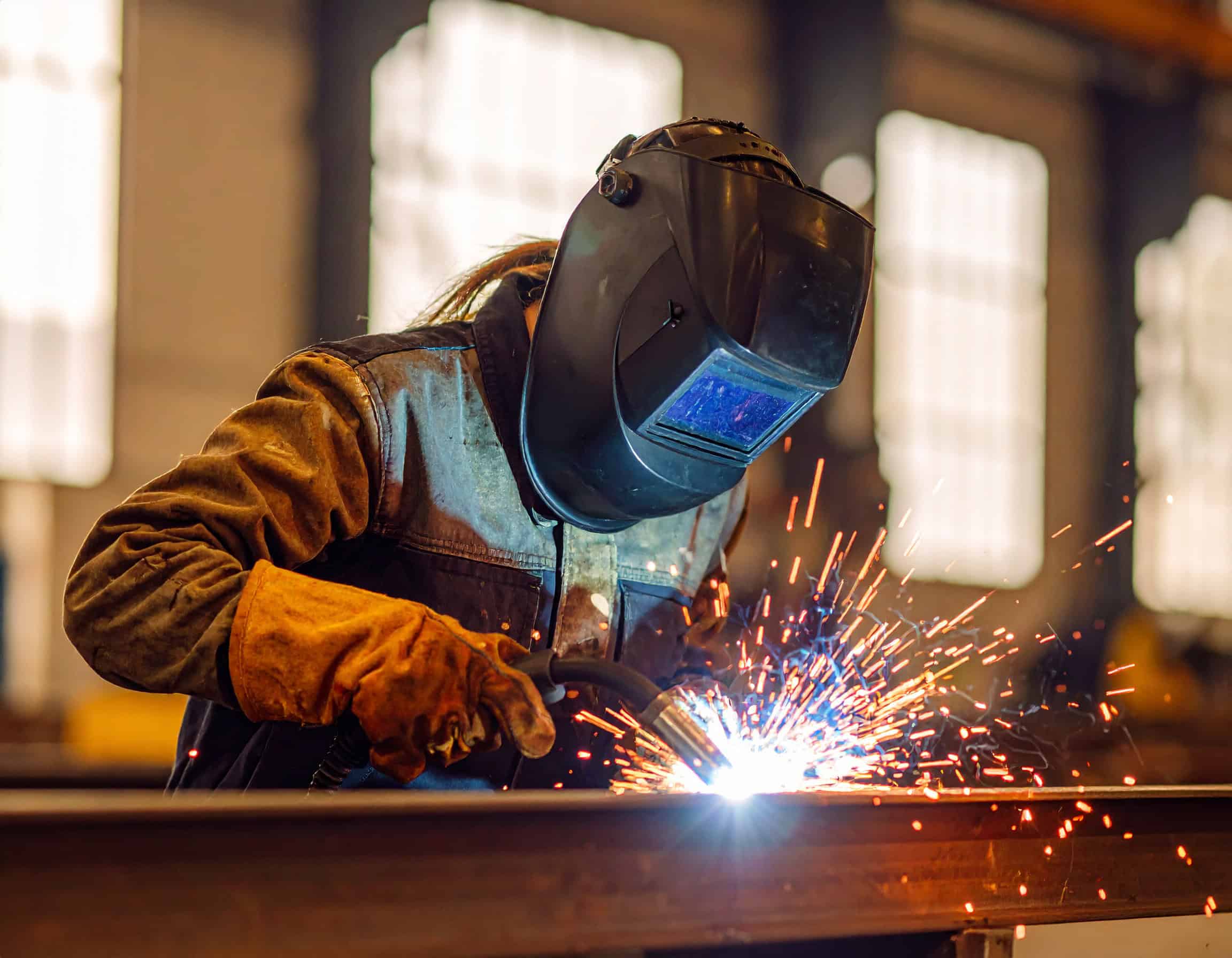
In industrial and construction environments, not every fabrication challenge can be solved inside a controlled shop setting. Large structures, fixed equipment, and time-sensitive repairs often require work to be performed directly at the job site. This is where field fabrication becomes an essential service.
What Is Field Fabrication?
Table of Contents
Field fabrication refers to the process of cutting, fitting, welding, assembling, or repairing metal components on-site rather than in a fabrication shop. It is commonly used for heavy metal structures, industrial equipment, pipelines, structural steel, and large assemblies that are impractical or impossible to transport.
Unlike shop fabrication, which benefits from fixed machinery and controlled conditions, field fabrication requires mobile equipment, skilled technicians, and precise coordination to ensure quality and safety in variable environments.
The Role of On-Site Welding in Field Fabrication
On-site welding is a critical component of field fabrication. It allows crews to:
- Join large structural components during installation
- Modify existing metal structures to meet updated specifications
- Perform emergency or time-sensitive repairs
- Address alignment issues that only become apparent during assembly
Welding performed in the field must meet the same structural and safety standards as shop welding, despite challenges such as weather exposure, limited access, or uneven surfaces. This makes experience and proper procedures especially important.
Common Applications of Field Fabrication
Field fabrication is widely used across industries, including:
- Heavy industrial facilities where equipment cannot be dismantled
- Construction sites requiring real-time adjustments to steel components
- Power plants and refineries with complex piping and support structures
- Manufacturing plants undergoing expansions or retrofits
In many cases, field fabrication helps minimize downtime by allowing work to continue without removing or replacing large assets.
Benefits and Considerations
One of the primary advantages of field fabrication is flexibility. Teams can adapt to site-specific conditions and resolve issues as they arise. It can also reduce transportation costs and delays associated with moving oversized components.
However, successful field fabrication requires careful planning. Safety protocols, quality control, and proper documentation are critical, especially when working with heavy metal components and structural systems. Environmental factors such as wind, temperature, and space constraints must also be accounted for.
Why Field Fabrication Matters
Field fabrication plays a vital role in keeping industrial projects moving forward. Whether supporting new construction, modifications, or urgent repairs, it provides practical solutions where shop-based fabrication falls short. Understanding how on-site welding and field fabrication work together helps project managers and facility owners make informed decisions when planning complex metal fabrication projects.