In the vibrant landscape of British construction, manufacturing, and engineering, steel is the ubiquitous hero. It forms the skeleton of our buildings, the strength in our machinery, and the foundation of countless products we use daily. But between the mighty steel mills that produce raw steel and the diverse businesses that transform it, lies a crucial intermediary: the steel stockholder. Far more than just a warehouse, these vital entities play an indispensable role in ensuring the efficient and timely supply of this essential material across the UK.
What Do Steel Stockholders Do?
Table of Contents
At their core, steel stockholders act as a critical link in the steel supply chain, bridging the gap between large-scale steel producers and the vast array of end-users. Their multifaceted operations ensure that businesses, regardless of their size or specific needs, have ready access to the steel they require. Their key functions include:
- Inventory Management and Supply Chain Resilience:
- Stockholders maintain vast, diverse inventories of various steel grades (e.g., mild steel, stainless steel, high-tensile steel), shapes (e.g., beams, columns, plates, sheets, tubes, bars), and sizes. This readily available stock is crucial, as direct mill orders often involve long lead times and large minimum order quantities.
- They act as a buffer against supply chain disruptions, ensuring continuous material availability even when mill production faces delays or market demand fluctuates.
- Processing and Value-Added Services:
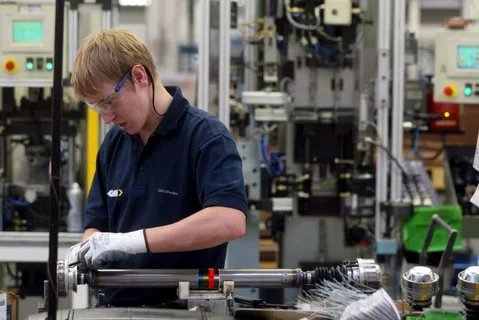
- Many modern steel stockholders offer comprehensive processing capabilities. This significantly adds value for customers who may not have the in-house machinery or expertise. Services often include:
- Cutting & Sawing: Precision cutting to specific lengths.
- Shearing: Cutting sheet and plate steel.
- Profiling: Using laser, plasma, or oxy-fuel cutting to create complex shapes from steel plate.
- Drilling & Punching: Creating holes for fabrication.
- Shot Blasting & Priming: Preparing steel for painting or coating, enhancing durability.
- This allows customers to receive steel precisely to their specifications, reducing their own processing costs, waste, and lead times.
- Many modern steel stockholders offer comprehensive processing capabilities. This significantly adds value for customers who may not have the in-house machinery or expertise. Services often include:
- Logistics and Distribution:
- Stockholders operate efficient logistics networks, including their own fleets of vehicles, to ensure timely and reliable delivery of steel to construction sites, fabrication workshops, and manufacturing plants across the country, from Glasgow to Plymouth.
- They manage complex delivery schedules, ensuring materials arrive exactly when and where they are needed, streamlining project timelines for their clients.
- Market Intelligence and Sourcing:
- With their finger on the pulse of the steel market, stockholders often have superior knowledge of global steel trends, pricing, and availability. They strategically source steel from a wide network of mills, both domestically and internationally, to offer competitive pricing and secure supply for their customers.
- Technical Expertise and Advice:
- Reputable stockholders employ knowledgeable sales and technical teams who can provide expert advice on the most suitable steel grades for specific applications, offer guidance on specifications, and assist with material selection for optimal performance and cost-effectiveness.
How to Choose a Good Steel Stockholder
Selecting the right steel stockholder is a critical decision that can impact your project timelines, budget, and overall quality. Here’s what to look for when making your choice:
- Comprehensive Inventory and Product Range:
- What to look for: Does the stockholder carry the specific grades, shapes, and sizes of steel your business regularly requires? A broad inventory indicates a robust supply chain and reduces the need to work with multiple suppliers.
- Why it matters: Ensures you can reliably source all your steel needs from one trusted partner, simplifying procurement.
- Processing Capabilities:
- What to look for: Do they offer the cutting, profiling, drilling, or other value-added services you need? Is their equipment modern and well-maintained?
- Why it matters: Utilising a stockholder’s processing services can significantly reduce your in-house fabrication costs, lead times, and material waste.
- Delivery and Logistics:
- What to look for: What are their delivery lead times? Do they have their own fleet, or do they rely entirely on third-party transport? Can they handle specialist deliveries (e.g., large beams, remote sites)?
- Why it matters: Timely and reliable delivery is paramount for keeping your projects on schedule and avoiding costly downtime. In Sale, for instance, quick local delivery could be a significant advantage.
- Quality Assurance and Certifications:
- What to look for: Do they adhere to relevant British and international quality standards (e.g., ISO 9001)? Do they provide full material test certificates (MTCs) for traceability and quality verification?
- Why it matters: Ensures the steel you receive is of certified quality, crucial for structural integrity, safety, and regulatory compliance.
- Customer Service and Technical Expertise:
- What to look for: Are their sales and technical teams knowledgeable, responsive, and easy to communicate with? Can they offer advice on material selection or resolve queries efficiently?
- Why it matters: Good communication and expert advice can be invaluable, especially when dealing with complex specifications or unexpected challenges.
- Reputation and References:
- What to look for: What is their standing in the industry? Ask for references from other customers, particularly those in a similar sector to yours. Check online reviews and trade association memberships.
- Why it matters: A strong reputation indicates reliability, trustworthiness, and a history of satisfied customers.
- Pricing and Payment Terms:
- What to look for: While not always the cheapest, are their prices competitive and transparent? Do they offer flexible payment terms that suit your business?
- Why it matters: A balance of competitive pricing and good service provides the best overall value.
In conclusion, steel stockholders are the dynamic hub in the world of steel, providing essential access, processing, and logistical support that keeps British industries moving. For any business reliant on steel, choosing a reputable and capable stockholder is not just a procurement decision – it’s a strategic partnership that ensures efficiency, quality, and ultimately, success. P&D Northern Steels is a family-owned and run company which has been offering quality plates and service into the UK steel marketplace for over 50 years. Get in touch today.