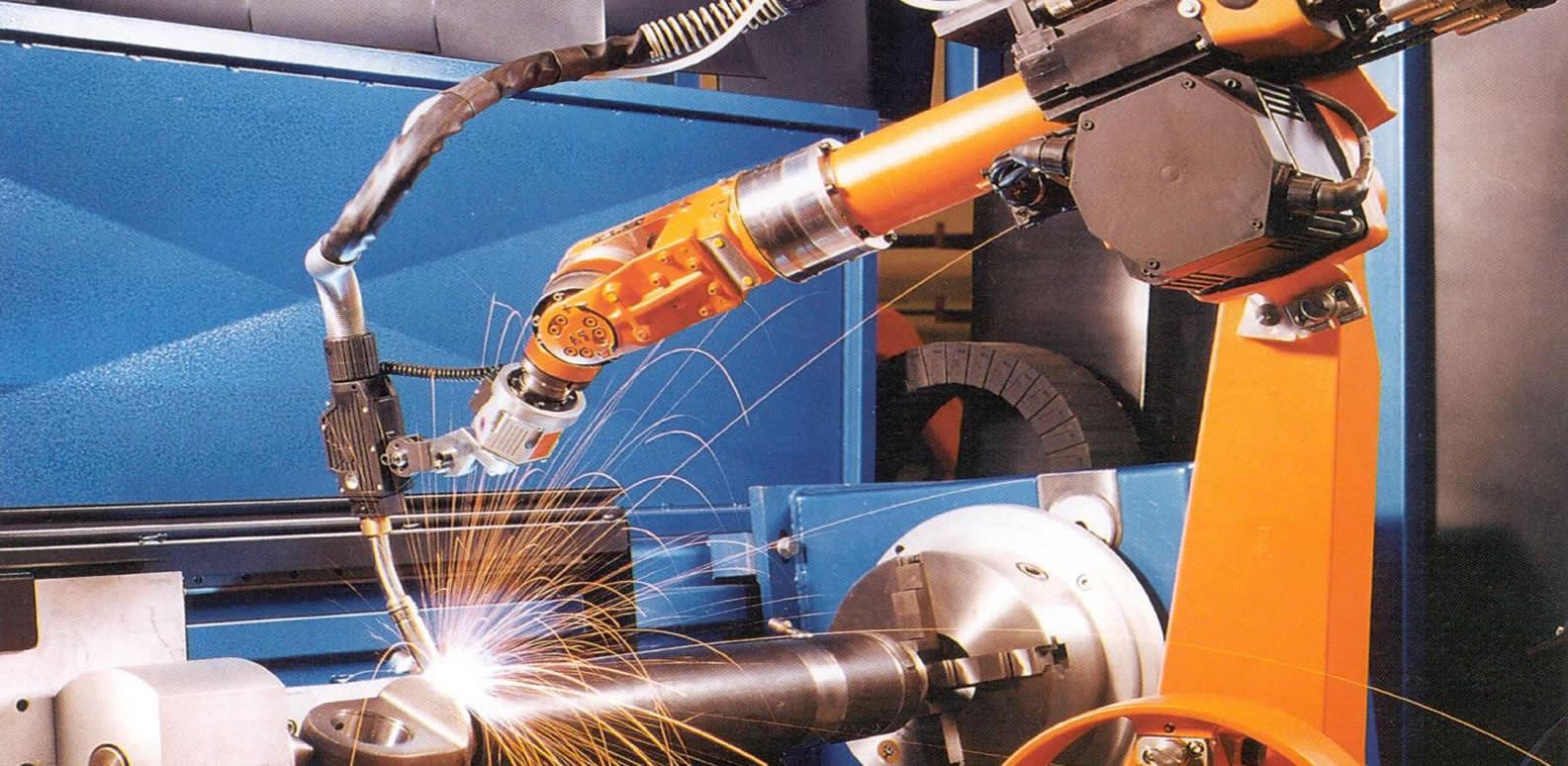
How precision fabrication connects engineering drawings to real-world installation
Table of Contents
When a structural steel project goes sideways, it rarely fails because the design was wrong. More often, it fails because something didn’t get built right, delivered on time, or installed the way it was drawn. That gap between engineering intent and field execution is exactly where industrial metal fabrication does its most important work.
Understanding that role, and what separates a capable fabrication shop from a problematic one, matters a great deal to anyone responsible for planning and executing structural steel projects in industrial environments.
What Structural Steel Projects Actually Demand
Structural steel projects in industrial settings are not simple. They span a wide range of work: support structures for heavy equipment, mezzanines and elevated platforms, process frames, structural modifications to existing facilities, access systems, and full-scale building components.
Each of these applications comes with its own set of challenges. Material specifications must match the load requirements. Connections must be designed and fabricated to code. Every component must fit within the constraints of the installation environment, which is often a live operating facility with limited access and zero tolerance for delays.
The stakes are high. A structural component that arrives out of spec creates a chain reaction. Field crews sit idle. Schedules slip. Costs climb. And in some cases, safety is compromised.
This is why structural steel projects are defined not just by good design, but by the quality of fabrication behind every welded joint, drilled hole, and cut piece.
How Industrial Metal Fabrication Fits Into the Process
Industrial metal fabrication is the bridge between a structural drawing and a finished, installable component. It takes raw steel, detailed fabrication drawings, material certifications, and shop expertise, and turns them into parts and assemblies that can be delivered to a job site and put into place.
That process involves more than cutting steel and welding it together. Precision fabrication for structural steel work includes:
Reading and interpreting engineering drawings. Fabricators must understand how components relate to each other, how they connect to existing structures, and what tolerances are required for proper fit-up in the field. Misreading a drawing at the shop level creates problems that only show up when crews are on-site.
Material procurement and verification. Structural steel projects require specific grades of steel with documented certifications. A fabrication shop must verify that incoming material meets spec before work begins. Substituting the wrong grade, even unintentionally, can compromise structural integrity.
Cutting, forming, and drilling to spec. Modern fabrication shops use plasma, laser, and saw cutting equipment to achieve precise dimensions. Holes must be located accurately for bolt connections. Camber and sweep in beams must stay within allowable tolerances. These are not approximations. They are requirements.
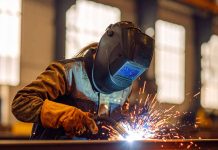
Welding to applicable standards. Many structural steel projects call for welding procedures and qualification in accordance with AWS D1.1 or similar codes. Certified welders following documented procedures produce welds with predictable and verifiable strength. Shops that cut corners on welding qualify create structural risk that may not be visible until something fails.
Fit-up and assembly verification. Before components leave the shop, experienced fabricators check fit-up on connections, verify hole alignment, and confirm assembly dimensions match what the drawings require. Shop-assembled components that are verified before shipping reduce the likelihood of field surprises.
Surface preparation and coating. Structural components often require blast cleaning, priming, or specialty coatings before delivery. Getting this right in the shop is far more efficient, and more effective, than trying to correct it in the field after installation.
Why Tolerances Matter More Than Most Buyers Realize
One of the most overlooked aspects of structural steel fabrication is dimensional tolerance. Field installation crews work within real-world conditions. They deal with existing structures that may not be perfectly plumb or level. They work in tight spaces with limited adjustment room.
When fabricated components arrive with tight tolerances, field installation goes smoothly. Connections line up. Bolt holes align. Welds fit. Plumb and level adjustments are minor.
When components arrive with poor tolerances, even by fractions of an inch, the problems compound. Crews spend time shimming, grinding, and reworking. In some cases, components must go back to the shop for correction. That delay ripples through the entire project schedule.
Tight fabrication tolerances are not just a quality metric. They are a direct contributor to on-time, on-budget installation. Plants and facilities that have worked with precision fabrication shops understand this. Those that have been burned by poor-quality fabrication understand it even better.
The Connection Between Shop Capability and Field Performance
Not all fabrication shops are the same. The equipment, certifications, experience, and capacity of a shop directly impact what it can produce and how reliably it can deliver.
For structural steel work, a capable shop should have:
- Adequate floor space and crane capacity to handle large assemblies and heavy sections
- Qualified welders with documented procedures for structural weld joints
- Current certifications relevant to the project type (AISC certification is a recognized benchmark for structural steel fabricators)
- Experienced estimating and project management staff who can review drawings, identify potential issues early, and communicate clearly with the project team
- A track record of on-time delivery for industrial and commercial structural projects
Shops that lack these capabilities often compensate with low pricing. But the cost of rework, field delays, and safety corrections far exceeds any upfront savings on fabrication.
Integrating Fabrication with Field Installation
The strongest structural steel project outcomes happen when the fabrication shop and the field installation team are working from the same plan, communicating regularly, and aligned on schedule requirements.
When fabrication and field services are handled by separate, uncoordinated vendors, gaps appear. Shop drawings don’t get reconciled against field conditions. Delivery sequences don’t match the installation sequence. Dimensional discrepancies go unresolved until crews are already on-site.
When a single firm handles both fabrication and field installation, that coordination happens internally. The people who built the components understand how they were made, what the tolerances are, and how they should go together. The field crew knows what to expect when the truck arrives. Problems that would otherwise surface as costly surprises get caught and resolved before anyone picks up a wrench.
This integrated approach matters especially on projects with tight outage windows or aggressive installation schedules. There is no time for back-and-forth when the facility is down and every hour of delay carries a real cost.
Common Structural Steel Applications in Industrial Facilities
To understand where industrial metal fabrication shows up in practice, consider the range of structural steel work common in industrial facilities:
Equipment support structures. Heavy machinery requires engineered support frames designed to handle dynamic loads, vibration, and the specific footprint of the equipment. These structures must be fabricated to precise dimensions and installed level to protect both the equipment and the surrounding structure.
Elevated platforms and mezzanines. Process equipment, control systems, and maintenance access points frequently require elevated working surfaces. These platforms combine structural framing, grating, handrail systems, and access stairs, all of which must be fabricated and assembled to meet both engineering and safety code requirements.
Access systems and safety platforms. Facilities with elevated vessels, tanks, rooftop equipment, or multi-level processes require safe, code-compliant access. Custom-fabricated access platforms, stair systems, and ladder arrangements are often the only solution when standard products don’t fit the geometry of the space.
Structural modifications and additions. Existing facilities regularly require structural modifications to accommodate new equipment, process changes, or facility upgrades. This work often involves fabricating connections and reinforcements that must integrate with legacy steel of unknown condition, requiring both fabrication expertise and sound engineering judgment.
Pipe supports and process frames. In process industries, piping systems require engineered supports designed for the specific loads, temperatures, and movement characteristics involved. Fabricating these supports to spec keeps piping systems aligned, reduces stress on connections, and extends service life.
What to Expect from a Reliable Fabrication Partner
Project managers and facility engineers who regularly procure structural steel fabrication develop a clear picture of what a reliable shop looks like. A few consistent indicators:
They ask the right questions early. Good fabricators review drawings carefully and raise questions before they start cutting steel. Problems identified at the drawing review stage cost nothing to resolve. Problems identified after fabrication is complete are expensive.
They communicate on schedule and delivery. Delivery surprises are a sign of poor project management at the shop level. A reliable fabricator keeps clients informed of progress, flags potential delays early, and confirms delivery dates before they become schedule risks.
They deliver what was drawn. This sounds basic, but it is the most fundamental measure of a fabrication shop’s performance. Components that match the drawings, meet the tolerances, and arrive in the correct condition for installation are the baseline expectation. Shops that consistently meet this standard earn repeat business. Those that don’t create downstream problems that follow a project to completion.
They stand behind their work. When something doesn’t fit or a dimension is off, a reliable fabricator takes responsibility and resolves the issue without delay. The willingness to fix problems without argument is a direct reflection of a shop’s integrity.
The Bottom Line
Structural steel projects succeed when every phase is executed with precision and accountability. Design is only the beginning. Industrial metal fabrication is what converts engineering drawings into physical reality. And field installation is where that work is tested under real operating conditions.
Choosing the right fabrication partner is one of the highest-leverage decisions a project manager or facilities engineer can make. The difference between a shop that delivers built-right components on schedule and one that doesn’t will show up in every phase of your project, from installation day all the way through the life of the structure.
Build it right the first time. That’s the standard that matters.