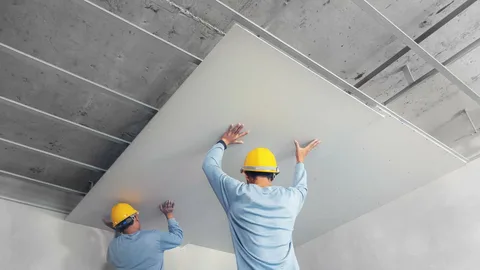
The construction industry has undergone significant transformations over the years, driven by the need for materials that enhance durability, energy efficiency, and aesthetic appeal. Among these innovative materials, fiberglass panels have emerged as a game-changer. These versatile panels are increasingly being adopted in various applications, from residential buildings to commercial warehouses, owing to their unique properties. Fiberglass panels are lightweight yet strong, resistant to moisture, and highly customizable, making them an ideal choice for modern construction needs.
They also offer excellent insulation, reducing energy costs and improving comfort in buildings. Moreover, their aesthetic flexibility allows architects and builders to create striking designs. As a result, understanding the benefits of fiberglass panels is crucial for anyone involved in the construction industry, whether you’re a contractor, architect, or property owner. For those looking to invest in high-quality fiberglass panels, a reliable supplier is essential. One such supplier is Stabilit America, known for offering a wide range of durable and aesthetically pleasing options.
The Advantages of Fiberglass Panels
Table of Contents
Fiberglass panels offer an array of advantages that make them a preferred choice in the construction industry. One of the standout features is their durability. Made from a composite of glass fibers and resin, these panels are highly resistant to impacts, scratches, and weather conditions. This durability ensures that structures can withstand harsh climates without degrading over time. Additionally, fiberglass panels are resistant to mold and mildew, which is particularly beneficial in areas with high humidity or moisture exposure.
Their UV stabilization also protects against fading and deterioration from sunlight, making them suitable for outdoor applications. Furthermore, fiberglass panels are lightweight, which simplifies transportation and installation, ultimately reducing labor costs. These advantages not only enhance the lifespan of buildings but also make fiberglass panels a cost-effective solution in the long run.
Energy Efficiency and Insulation Properties
Another compelling reason for the rising popularity of fiberglass panels in construction is their energy efficiency. These panels are excellent insulators, helping to maintain a consistent indoor temperature regardless of external weather conditions. This energy efficiency translates into lower heating and cooling costs, which is a significant benefit for both residential and commercial properties. By reducing energy consumption, fiberglass panels contribute to a more sustainable building approach, aligning with global efforts to minimize carbon footprints. The insulation properties also enhance the overall comfort of indoor spaces, making them more appealing to occupants. Builders and homeowners increasingly recognize the importance of energy-efficient materials, making fiberglass panels an attractive option for new construction and renovations alike. As energy costs continue to rise, opting for fiberglass panels can lead to substantial savings over time.
Aesthetic Flexibility and Design Options
In addition to their functional advantages, fiberglass panels offer impressive aesthetic flexibility. Available in a variety of colors, textures, and finishes, these panels can be tailored to meet specific design requirements. Whether you are constructing a modern commercial building or a traditional residential home, fiberglass panels can complement any architectural style. Their smooth surfaces provide a polished look, while the ability to create custom designs allows for creative expression in building projects.
This aesthetic versatility makes fiberglass panels suitable for various applications, including facades, interior walls, and even roofing. Architects and designers are increasingly turning to fiberglass panels to achieve unique visual effects while maintaining the structural integrity of their projects. This combination of beauty and durability sets fiberglass panels apart from traditional materials, making them a go-to choice for forward-thinking builders.
Sustainability and Environmental Benefits
Sustainability is a significant concern in today’s construction industry, and fiberglass panels align well with eco-friendly building practices. These panels are often made from recyclable materials, contributing to a circular economy. Their long lifespan also means that fewer resources are needed for repairs and replacements, reducing waste over time. Moreover, the energy efficiency of fiberglass panels contributes to lower greenhouse gas emissions, as buildings consume less energy for heating and cooling. As more builders and developers prioritize sustainable materials, fiberglass panels present an attractive option that meets both environmental and performance standards.
Choosing fiberglass over traditional materials not only benefits the planet but also enhances your project’s marketability, appealing to eco-conscious consumers. By investing in fiberglass panels, you are making a choice that supports both sustainability and innovation in construction.
Where to Find Quality Fiberglass Panels
When it comes to sourcing high-quality fiberglass panels, it’s essential to partner with a reputable supplier. Stabilit America is a leading provider known for its extensive range of fiberglass products tailored for various applications. With a commitment to quality and performance, Stabilit America offers fiberglass panels that meet rigorous industry standards. Their products are designed to withstand the test of time, ensuring that your construction projects not only look great but also stand strong against the elements. Whether you need panels for residential buildings, commercial spaces, or specialized applications, Stabilit America’s diverse catalog provides the ideal solutions. By choosing a trusted supplier, you can ensure that you are getting the best materials for your construction needs, leading to successful and sustainable projects.
FAQs
1. What are the main benefits of using fiberglass panels in construction?
Fiberglass panels are durable, energy-efficient, resistant to mold and mildew, and offer aesthetic flexibility. They provide excellent insulation, which helps reduce heating and cooling costs.
2. Are fiberglass panels environmentally friendly?
Yes, many fiberglass panels are made from recyclable materials and contribute to sustainability by reducing energy consumption and waste over time.
3. How do fiberglass panels compare to traditional materials?
Fiberglass panels are generally lighter, more resistant to weather and impacts, and offer better insulation compared to many traditional materials like wood or metal.
4. Where can I purchase fiberglass panels?
You can purchase high-quality fiberglass panels from reputable suppliers like Stabilit America, which offers a wide range of options for various applications.
5. Can fiberglass panels be customized for specific design needs?
Absolutely! Fiberglass panels come in various colors, textures, and finishes, allowing for customization to meet specific aesthetic and functional requirements.
Conclusion
In conclusion, fiberglass panels are revolutionizing the construction industry by offering a perfect blend of durability, energy efficiency, and aesthetic appeal. Their numerous advantages make them an ideal choice for a wide range of applications, from residential homes to commercial buildings. As sustainability becomes increasingly important, fiberglass panels stand out as an eco-friendly option that contributes to lower energy costs and reduced environmental impact.
For those looking to invest in fiberglass panels, partnering with a trusted supplier like Stabilit America is essential for ensuring quality and performance. With their extensive range of products and commitment to customer satisfaction, Stabilit America is the go-to choice for anyone seeking the best in fiberglass panels. Embracing this innovative material not only enhances the integrity of your construction projects but also positions you at the forefront of modern building practices.