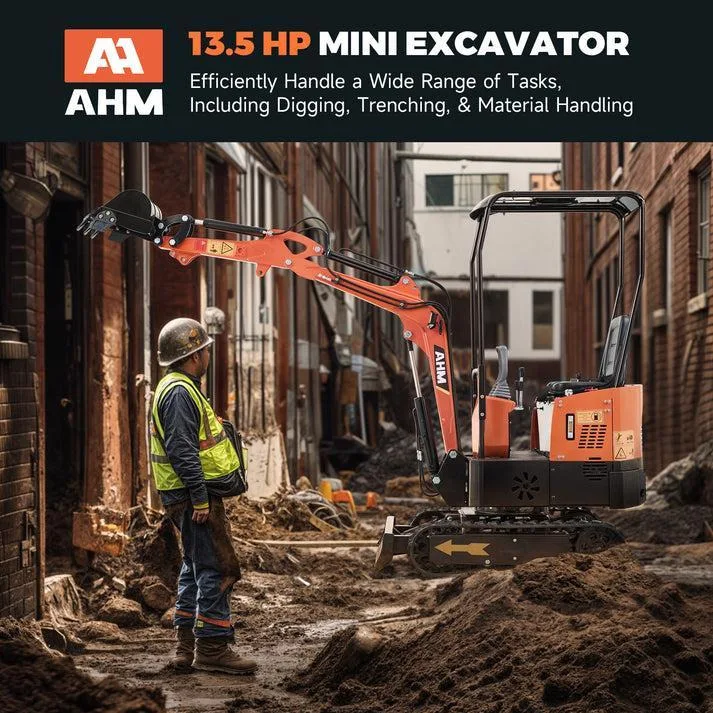
When you invest in a mini excavator like the AHM AX-series mini excavator, you aren’t just buying a tool to move dirt—you are purchasing a tangible financial asset. One of the biggest mistakes owners make is assuming their machine will depreciate to zero over a few years, much like a smartphone or a standard passenger car.
In reality, compact construction equipment holds its value incredibly well. Because AHM machines are built around industry-standard components like Kubota and Briggs & Stratton engines, a well-maintained unit can often fetch 75% to 80% of its original purchase price on the used market years down the road.
If you want to protect your investment and ensure you get top dollar when it’s time to upgrade, make sure you follow these four rules of excavator resale preservation.
1. Keep the “Skin” Clean: Wash and Paint Care
Table of Contents
First impressions matter immensely to a used buyer. If a buyer pulls up and sees a machine covered in caked-on, hardened mud, concrete splatters, and rusted scratches, they will immediately assume the internal components were neglected too.
- The Rule: Never leave mud sitting on the undercarriage or tracks for weeks at a time. Mud traps moisture, which accelerates rust on the track frames and roller bearings.
- The Fix: Give your AHM a thorough pressure washing after a messy project. If you scratch the boom while digging next to a stone wall, spend $10 on a can of matching touch-up paint to seal the metal before surface rust can take hold.
2. The Golden Logbook: Document Everything
A machine with a stack of service receipts will easily sell for $1,500 more than an identical machine with a missing history. Buyers pay a premium for peace of mind.
- What to Track: Keep a simple notebook in your glove box or a spreadsheet on your computer. Record the hour-meter reading every time you change the engine oil, swap a hydraulic filter, or replace a track.
- The AHM Advantage: Because we use name-brand engines, keeping your receipts from the local tractor supply store for Briggs or Kubota filters proves to a future buyer that the machine was serviced with high-quality parts.
3. Grease is Cheap, Steel is Expensive
If a buyer climbs into the cab, grabs the controls, and feels a massive amount of “slop” or play in the joints when they swing the boom, they will walk away. Loose pins and bushings mean the machine was run dry.
- The Rule: You should grease every single pivot point on your boom, arm, bucket, and blade every 10 hours of operation (or daily if you are digging in sandy, abrasive soil).
- The Science: Grease pushes out dirt and water while creating a thin cushion between the steel pins and bushings. A machine that has been greased religiously will feel tight, precise, and brand-new, even with hundreds of hours on the clock.
4. Track Tension and Care: Protecting the Rubber
Tracks are a high-wear item, and a brand-new set can cost a pretty penny. If your tracks are dry-rotted, chunked, or thrown off the idlers, a buyer will instantly deduct that replacement cost from their offer.
- The Rule: Check your track tension regularly. Tracks that are too loose will de-track and damage the drive sprockets; tracks that are too tight will put immense, unnecessary strain on the hydraulic travel motors.
- Storage Tip: If you aren’t going to use your AHM for a few months during the winter, park it on blocks or a wooden surface inside a barn or under a tarp. Leaving rubber tracks sitting directly on freezing, wet mud for months causes the rubber to degrade prematurely.
Resale Value Checklist
| Maintenance Item | Ideal Frequency | Impact on Resale Value |
| Greasing Pins | Every 10 Hours | High (Prevents expensive joint play) |
| Undercarriage Wash | Post-Project | Medium (Prevents rust and cosmetic damage) |
| Engine Oil Change | Every 50–100 Hours | High (Ensures engine longevity) |
| Track Tension Check | Monthly | Medium (Extends track lifespan) |
Maintenance is an Investment
Taking 15 minutes a week to care for your AHM mini excavator doesn’t just make your current job easier—it secures your money for the future. When you treat your machine like an asset rather than a disposable tool, it pays you back in spades on the day you decide to sell.
How many hours do you currently have on your machine, and what does your maintenance routine look like? Let us know below, and we can give you a quick tip on what to check next!