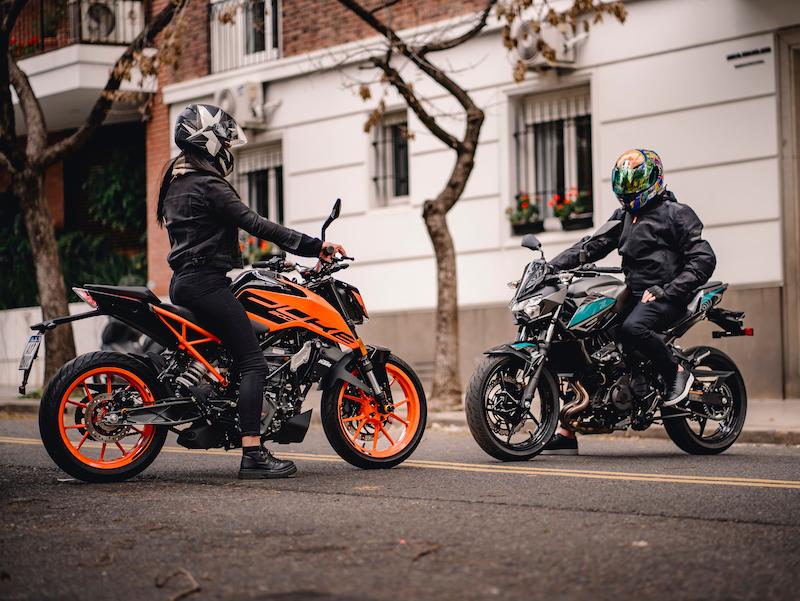
A motorcycle can face very different situations on a busy city road than on an open highway. Traffic lights, tight turns and narrow gaps are part of an ordinary city ride. These situations make low-speed control much more noticeable.
A motorcycle that is easy to handle can also make parking and commuting less tiring. Fuel use, seating comfort and braking also matter when the same vehicle handles daily commutes, errands and other short trips. Simply put, for regular city riders, handling is as important as engine performance and comfort.
What Matters for Everyday Urban Riding
Table of Contents
They Navigate Traffic More Easily
Getting through city traffic is rarely about riding at one steady speed. A car ahead slows down, a signal turns red, or a small gap suddenly opens. A lighter motorcycle can feel easier in these moments because it takes less effort to slow, balance and move again. It is a small difference, but it can make a busy commute feel less tiring.
For instance, the Yamaha MT-15 V2 has a 141 kg kerb weight and a 1,325 mm wheelbase. Its 155cc engine produces 14.1 Nm of torque at 7,500 rpm, giving the motorcycle useful response as traffic speeds change.
More Stable at Low Speeds
Moving slowly through traffic takes more attention than riding at a steady speed and staying balanced matters when approaching a signal, making a slow turn or waiting in traffic. A comfortable riding position also makes slow riding and frequent stops less uneasy.
Seat height also plays a part. Being able to place a foot down comfortably can give riders better control when the motorcycle comes to a complete stop.
They Are Easier To Park
City parking rarely comes with plenty of space around the bike. Motorcycles often have to be positioned between other vehicles or moved through narrow entrances. A lighter motorcycle is easier to push, turn and reposition when the engine is off.
Getting back out can be just as uneasy when another vehicle is parked close by. A motorcycle that is easy to move can make these small parking jobs less of a hassle.
Reduce Rider Fatigue
A city commute can involve many small movements throughout the ride. Braking, shifting, steering and balancing all happen repeatedly when traffic gets heavy. Over a longer commute, that repeated effort can start to add up.
Riding posture matters here too. A comfortable position can reduce strain on the back, shoulders and wrists when a short journey takes longer because of traffic.
Better Fit For Short-Distance Travel
Most short city trips rarely stay at one speed for long. An engine with useful response at everyday speeds may suit this riding better than one built mainly for high-speed travel.
Gear changes also happen frequently in urban traffic. A smooth gearbox and light clutch action can make those repeated changes less tiring, especially during regular commuting.
Suits Cities With Constantly Changing Road Conditions
One city ride can take you across smooth roads, speed breakers, potholes and rough patches. Good suspension can make these changes feel less harsh.
Braking also becomes important when traffic stops suddenly after an uneven section. ABS can help maintain braking control by reducing the chance of wheel lock. Tyres also matter because they keep the motorcycle in contact with the road.
Conclusion
A city ride is made up of small moments that can add up over time. Getting through traffic, finding a parking spot or riding over a rough patch can all affect how comfortable the journey feels. Fuel use and braking matter too, especially when you use the motorcycle every day. These factors make a motorcycle practical for regular city travel.