Thin-wall medical device housings must combine dimensional accuracy, structural stability, and surfaces suitable for assembly or sealing. Producing them consistently in batches is difficult because thin sections can deform during cutting, while holes, threads, grooves, and mating features may span several faces. Reliable metal machining therefore requires a manufacturing strategy that considers rigidity, feature relationships, surface treatment, and inspection together.
What Makes Thin-Wall Medical Device Housings Difficult to Machine
Table of Contents
A number of factors make thin-wall medical device housing difficult to machine; however, most notably is that thin-walls lack enough resistance for the forces generated by cutting. The pressures generated by tool action, vibration, temperature generation, and clamping force can alter the geometry of thin wall parts, especially those being machined out of solid blocks due to removal of large volumes of material at once.
Additionally, the placement of various features within these housings play an important role in making them difficult to machine as well. Most medical housings have mounting holes, threaded holes, pockets, seal grooves, or mating surfaces which must register properly relative to other hardware. When numerous features are located throughout a part they can create cumulative registration error after each repositioning operation. Five-axis machining techniques can help minimize setup time however the accuracy required for selecting datums and building fixtures remains critical.
Wayken has utilized five-axis milling and three-axis roughing on precision components to minimize the number of operations performed and increase geometric accuracy across different directions. This example highlights why the selection of axes for machining a component should be based upon the relationship between the feature locations as opposed to machine capabilities.
How Machining and Surface Finishing Affect Medical Device Housing Performance
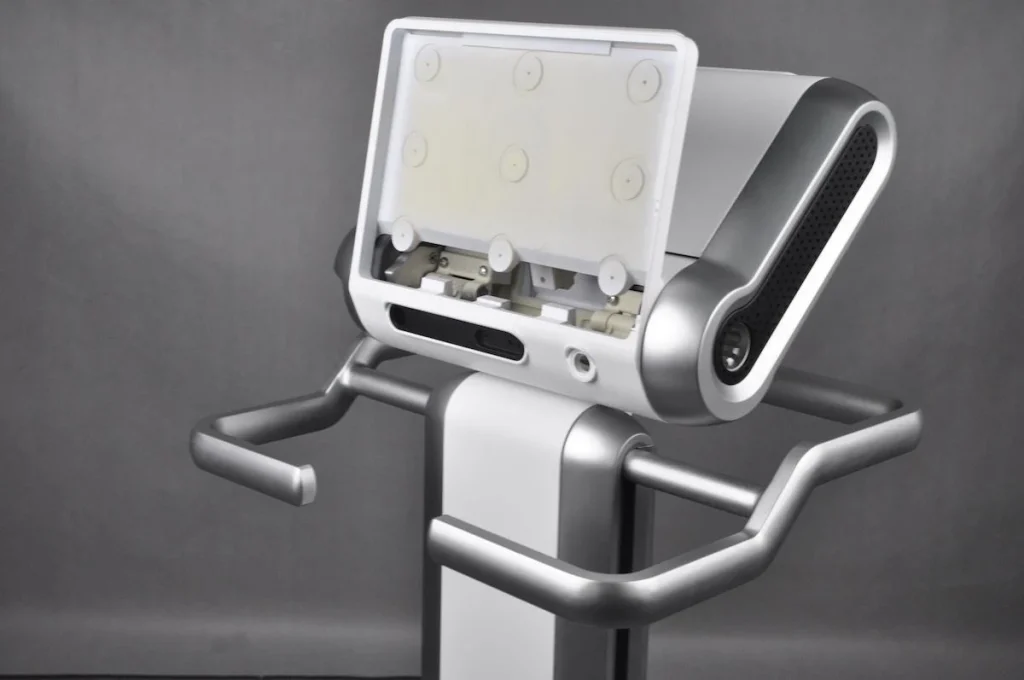
Metal machining creates the geometry of the housing; however, surface finishes may subsequently create surfaces for mechanical function or to provide sealing capabilities. For example, a housing may have multiple surfaces requiring differing levels of roughness and some surfaces receiving anodizing and/or sandblasting treatments. In addition, critical sealing or mated areas of the housing must be treated in such a manner that they do not alter their original characteristics.
Therefore, the machining sequence of a housing may be influenced by these requirements. Critical sealing surfaces can be treated to their desired finish early in the process and masked from subsequent processing activities. Masking requirements must be determined prior to treating a surface to avoid altering its original characteristics. Additionally, aluminum housings must take into account how certain treatments will affect their size and appearance.
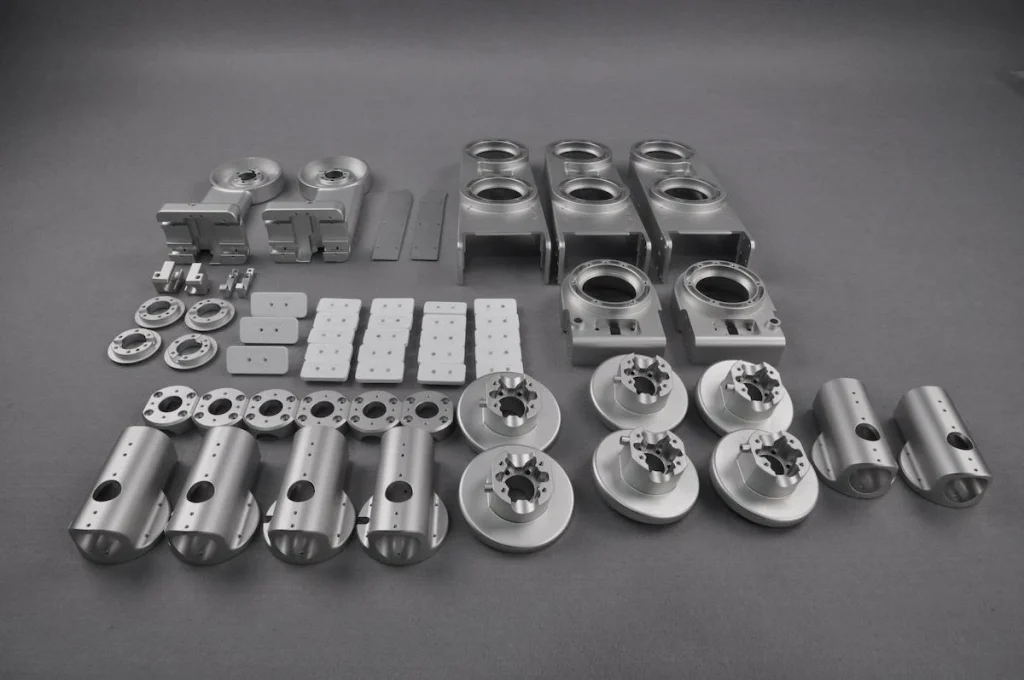
A Wayken modular robotics housing is an excellent example illustrating the relationship between machining and treating a surface. The 6061-T6 aluminum and POM components used five-axis machining along with anodizing and sandblasting treatments and were manufactured with individual surfaces having unique sealing, assembly and aesthetic considerations. Therefore, treating a surface must occur simultaneously with machining the part rather than as a post-machining operation.
When creating custom machined parts, the specification for the finish of a part is equally as important as the dimensional specification if one or both surfaces are required to seal, mate or remain open. Treating a surface incorrectly can ruin what would otherwise be a well made housing.
How Manufacturers Maintain Consistency in Medical Device Housing Production
Batch production requires the process to produce similar results repeatedly. Tool wear, fixture movement, cutting-condition changes, and dimensional drift can affect later pieces even when the initial setup was correct.
Inspection should target high-risk operations. Critical holes and mating features can be checked after machining, while treated surfaces receive separate visual or dimensional verification. Early checks isolate nonconforming parts before costly downstream operations.
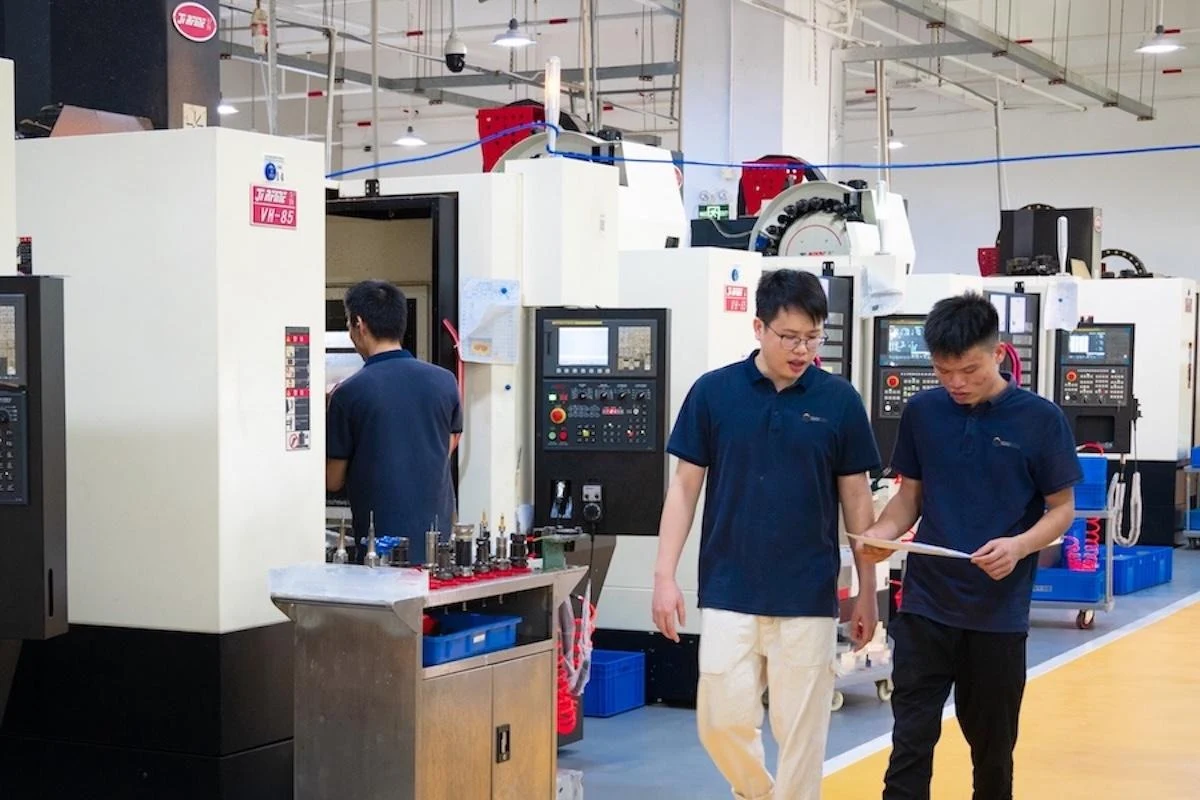
WayKen uses on-machine probing for precision aerospace components, measuring features while the workpiece remains clamped. Its workflow can initiate corrective machining and repeat inspection when measurements fall outside defined limits. This provides immediate process feedback instead of relying only on final acceptance.
For medical device housings, the same principle supports batch consistency in custom machined parts. Inspection frequency can reflect feature criticality, while trend monitoring can reveal tool wear or fixture drift before tolerances are exceeded. Combining stable fixturing, controlled machining, appropriate finishing, and targeted inspection makes production more predictable across batches.
Conclusion
Reliable production of thin-wall medical device housings depends on controlling both the component and the manufacturing sequence. Rigidity, datum relationships, machining forces, surface treatment, and inspection all influence final performance. The strongest approach is not simply choosing a five-axis machine or inspecting every finished part, but designing a process in which each operation protects the requirements of the next and critical variation is detected early.